

When you feel tired, moody, or just not quite yourself, it’s easy to brush it off as a normal part of a busy life. But what if it’s more than that? Those subtle signals, like stubborn fatigue, brain fog, sudden weight gain, or an unpredictable cycle are often your body’s way of telling you its delicate internal orchestra is out of tune.
Hormones are the powerful messengers that run the show, regulating everything from your metabolism and mood to your sleep. When key players like estrogen, progesterone, cortisol, or thyroid hormones get out of sync, it can create a ripple effect that impacts your entire sense of well-being. The great news is you have a lot more power to influence this balance than you might think, starting with simple, conscious daily choices.
Your Journey to Natural Hormone Balance
Figuring out how to balance hormones naturally isn’t about chasing perfect numbers on a lab report. It’s about learning to listen to your body’s unique feedback and responding in a way that restores harmony from the inside out.
Decoding Your Body’s Signals
It all starts with paying attention. Do you hit a wall every afternoon? That could be a clue related to your adrenal glands and cortisol levels. Is your cycle all over the place? Estrogen and progesterone are likely the key players to investigate.
The path back to balance is a straightforward one: you identify the symptoms, you understand what they mean, and then you create a personalized plan to address them. This infographic breaks down that simple journey.
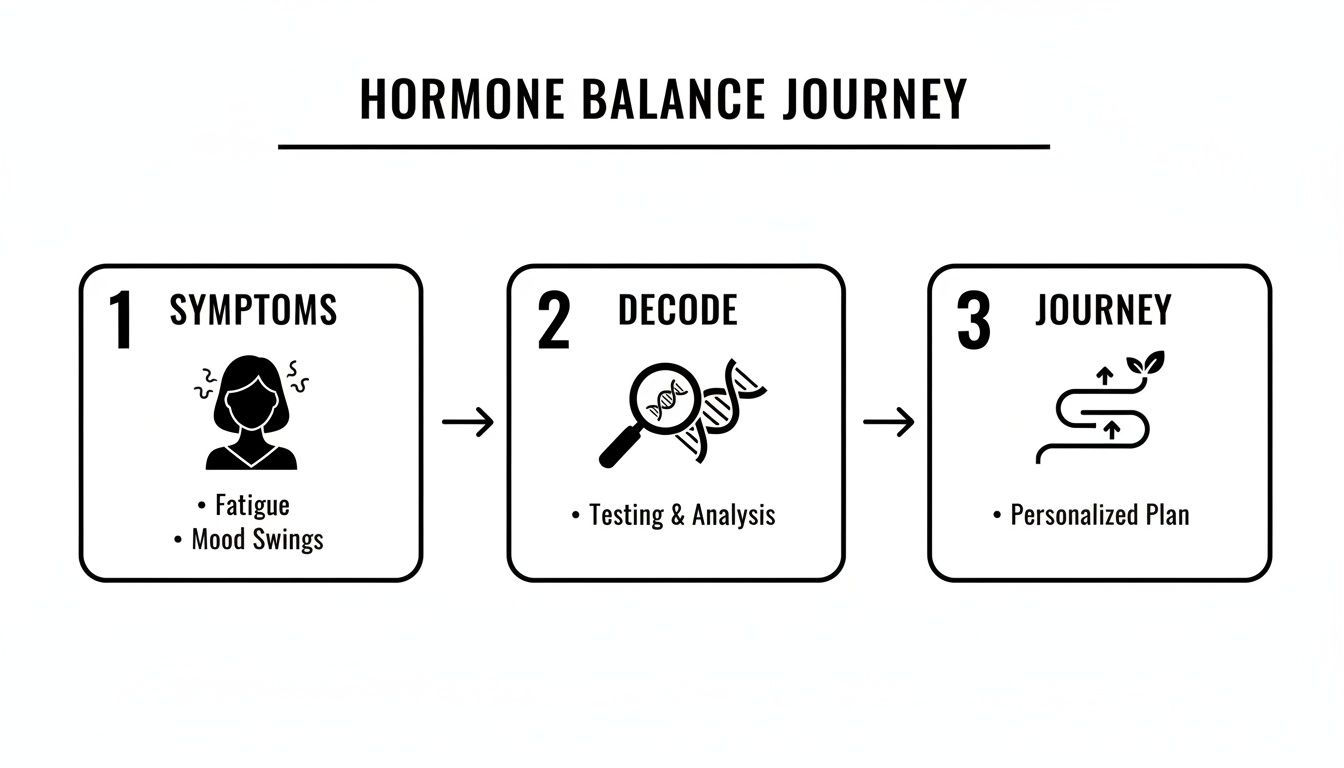
This visual is a great reminder that the road to feeling better begins with awareness and leads to empowered, intentional action. By tuning into your symptoms, you’re gathering the clues needed to build your own roadmap to health.
And if you’re experiencing this, you’re in good company. An estimated 80% of women worldwide will grapple with some form of hormonal imbalance during their lives. As more women look for answers, understanding how to use natural strategies becomes more important than ever.
A Symptom Checker for Hormonal Imbalance
To help you start decoding what your body is trying to tell you, I’ve put together a quick reference guide of common signs linked to hormonal shifts. Think of this not as a diagnostic tool, but as a starting point to help you connect the dots and spot potential patterns.
Acknowledging your symptoms is the first and most powerful step. It transforms vague feelings of being “off” into actionable information you can use to reclaim your health.
Use this table to see if any of these signs resonate with what you’ve been feeling.
| Hormonal Imbalance Symptom Checker | |
|---|---|
| A quick reference guide to help you identify potential signs of hormonal imbalance across different body systems. | |
| Symptom Category | Common Signs to Watch For |
| Energy & Mood | Persistent fatigue, brain fog, anxiety, depression, irritability, trouble concentrating |
| Metabolic Health | Stubborn weight gain (especially midsection), sugar cravings, unstable blood sugar |
| Reproductive Health | Irregular periods, severe PMS, low libido, fertility challenges, PCOS symptoms |
| Sleep & Stress | Insomnia, waking up between 2-4 AM, feeling “wired but tired,” difficulty handling stress |
| Physical Signs | Hair loss or thinning, acne, dry skin, digestive issues like bloating or constipation |
Simply recognizing these signs is a huge step forward. It gives you the clarity and confidence to start your journey toward natural hormone balance on the right foot.
The Three Pillars of Endocrine Health
Before we even start talking about specific diets or supplements, we have to build a solid foundation. Think of your endocrine system like a house; if the foundation is cracked, everything you build on top of it will be unstable. The three non-negotiable pillars for anyone serious about balancing their hormones naturally are sleep, stress management, and intelligent movement.
These elements directly control the hormones that dictate your energy, mood, and metabolism. Master these first, and you’ll create a resilient system that responds so much better to any other changes you make down the line.
Mastering Your Sleep Cycle
Quality sleep is prime time for your body’s hormonal repair crew. When you consistently fall short of 7-9 hours a night, you’re sending a direct stress signal to your body. This immediately disrupts your cortisol rhythm and can impair insulin sensitivity the very next day.
But it’s not just about the hours you log. A consistent wind-down routine is the real game-changer here. It signals to your nervous system that it’s safe to shift out of the “fight-or-flight” mode of a busy day and into the “rest-and-digest” state you need for deep, restorative sleep.
Here’s a simple routine I often recommend:
- One hour before bed: All screens go off. The blue light from our phones and laptops is notorious for suppressing melatonin, your body’s main sleep hormone.
- 45 minutes before bed: Do something genuinely calming. This could be gentle stretching, reading a real book (not on a screen), or taking a warm bath with Epsom salts, which are a great source of magnesium.
- 15 minutes before bed: Try some quiet reflection or meditation. This helps clear the mental clutter from the day, making it much easier to drift off peacefully.
This kind of consistency trains your brain and body, creating a powerful Pavlovian response that makes falling asleep—and staying asleep—far less of a struggle. It’s a fundamental step in learning how to balance hormones naturally.
Managing Your Stress Response
Chronic stress is the arch-nemesis of hormonal balance. When you’re constantly on edge, your adrenal glands pump out cortisol. While cortisol is useful in short bursts, having it elevated for weeks or months can suppress ovulation, slow down your thyroid, and contribute to insulin resistance.
The goal isn’t to eliminate stress—that’s impossible. The key is to manage your response to it. This is where your HPA axis, the communication highway between your brain and your adrenal glands, comes into play. Keeping this system regulated is crucial for hormonal health. You can learn more about the intricate details of how to support your HPA axis and its impact on your overall well-being.
Think of stress management not as another task on your to-do list, but as an essential act of hormonal self-care. A few minutes of intentional calm can have a profound impact on your cortisol levels throughout the day.
Small, consistent practices are far more effective than infrequent, grand gestures. Try integrating a simple technique like box breathing: inhale for four counts, hold for four, exhale for four, and hold for four for just two minutes when you feel tension building. Even a quick ten-minute walk in nature has been shown to significantly lower cortisol.
Moving Intelligently for Your Hormones
The “go hard or go home” fitness mentality can completely backfire when your hormones are out of whack. High-intensity interval training (HIIT) is, biologically speaking, just another stressor. If you’re already running on empty, a punishing workout can spike cortisol even further, leaving you feeling even more depleted.
“Smart movement” means matching your exercise to your body’s current capacity.
- When feeling stressed or fatigued: Opt for restorative activities like yoga, tai chi, or a simple walk. These practices lower cortisol and support your parasympathetic (or “rest and digest”) nervous system.
- When feeling energized: This is the time to incorporate strength training. Building lean muscle mass is one of the best ways to improve insulin sensitivity, which is vital for metabolic health and balancing sex hormones.
- Listen to your cycle: Many women find they have more energy for intense workouts during the first half of their menstrual cycle. In the second half, as progesterone rises, lower-impact activities might feel much better.
By aligning movement with your body’s real-time needs, you turn exercise into a powerful tool for building resilience, not another source of depletion. This thoughtful approach makes sure your physical activity is actually supporting your hormonal goals instead of working against them.
Eating for Optimal Hormone Function
Your plate is one of the most powerful and immediate tools you have for influencing your endocrine system. What you eat provides the literal building blocks for your hormones, helps manage blood sugar (a major driver of hormonal chaos), and keeps inflammation in check. Moving beyond short-term diet trends toward a strategic, food-first approach is fundamental to getting your hormones back on track.
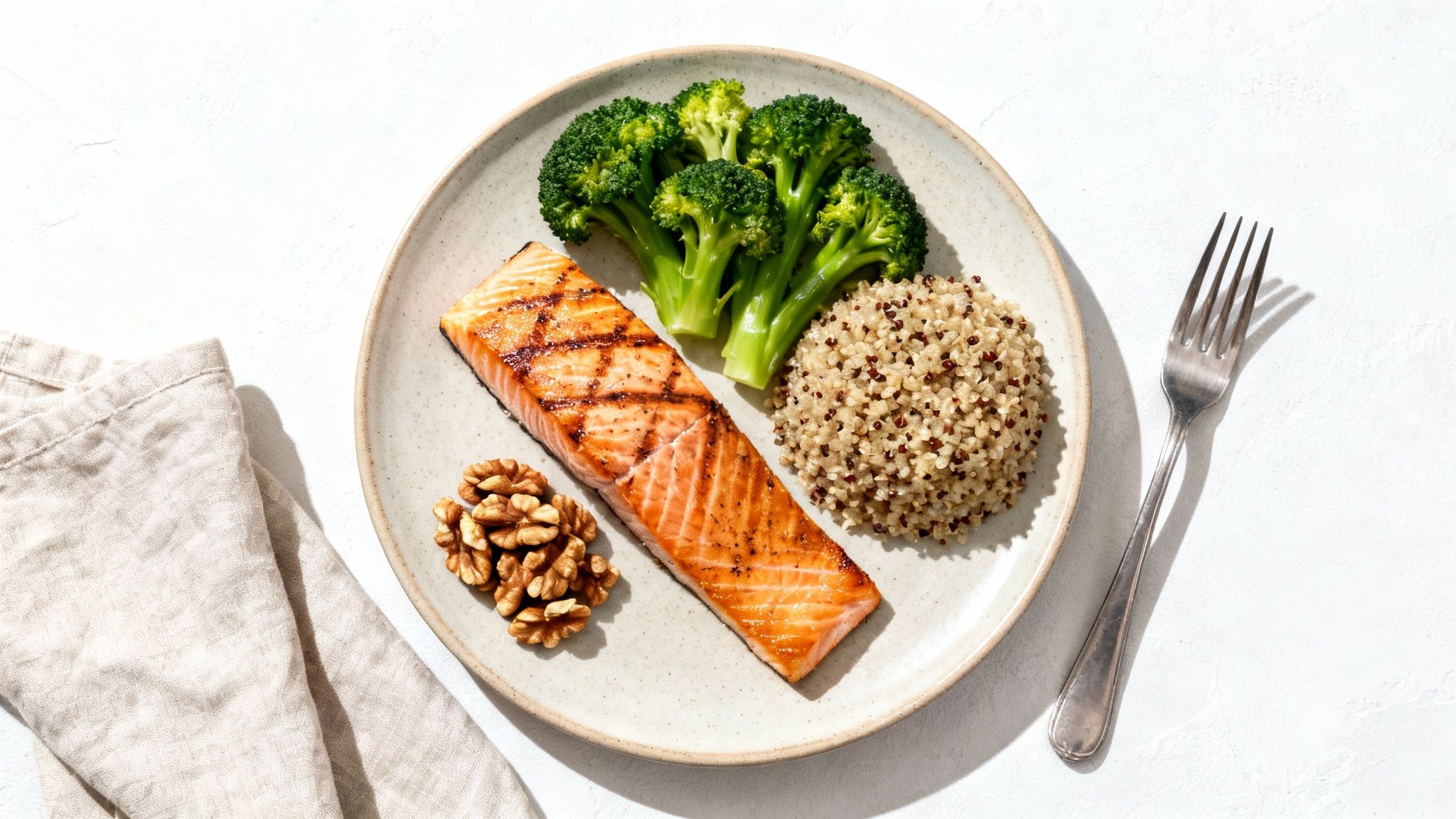
This isn’t about restriction; it’s about intentional nourishment. By focusing on specific macronutrients and hormone-supportive foods, you can create a daily eating pattern that actively works to bring your body back into harmony.
The Macronutrient Blueprint for Hormones
Every single meal is an opportunity to send a positive signal to your body. To do this right, your goal should be to include clean protein, healthy fats, and fiber-rich carbohydrates on your plate each time you eat.
Clean Protein: Amino acids from protein are essential for producing both hormones and neurotransmitters. Including a quality protein source at every meal helps stabilize blood sugar, preventing the energy crashes and cravings that throw cortisol and insulin completely out of whack.
- Examples: Wild-caught salmon, organic chicken, grass-fed beef, lentils, chickpeas, and quinoa.
Healthy Fats: Cholesterol and fatty acids are the raw materials for steroid hormones like estrogen, progesterone, and testosterone. Healthy fats also help keep you full and satisfied, which is another win for stable blood sugar.
- Examples: Avocado, olive oil, walnuts, flaxseeds, chia seeds, and almonds. Omega-3 fatty acids, found in fatty fish, are particularly potent anti-inflammatories.
Fiber-Rich Carbs: Fiber is crucial for gut health and helps your body properly excrete excess hormones, particularly estrogen. Choosing complex, high-fiber carbs over refined ones provides a slow release of energy, avoiding the sharp insulin spikes that disrupt hormonal communication.
- Examples: Sweet potatoes, berries, leafy greens, broccoli, Brussels sprouts, and whole grains like oats and brown rice.
This combination creates a powerful synergy that supports every aspect of endocrine function, from production to detoxification.
Foods That Pack a Hormonal Punch
Beyond the macros, certain foods contain unique compounds that offer targeted support. Getting these into your regular rotation can give your efforts an extra boost.
Cruciferous vegetables like broccoli, cauliflower, and kale are true heroes for estrogen metabolism. They contain a compound called Indole-3-Carbinol, which helps the liver process estrogen more efficiently. This prevents the buildup that can lead to symptoms of estrogen dominance.
Making simple swaps, like adding a side of steamed broccoli to your dinner or blending kale into your smoothie, is a practical way to support healthy estrogen levels every single day.
It’s also critical to ensure your diet is rich in micronutrients, as even small gaps can have a big impact. If you want to learn more, you can explore some of the common nutrient deficiencies to look out for that can affect your overall health and hormonal balance.
Why Sugar and Processed Foods Sabotage Your Efforts
Minimizing refined sugar and highly processed foods is non-negotiable for hormonal health. These foods cause rapid spikes in blood sugar and insulin, which is a major stressor on the body.
Over time, this can lead to insulin resistance, a condition where your cells stop responding properly to insulin. This not only increases your risk for metabolic issues but also directly impacts sex hormones by prompting the ovaries to produce more testosterone—a key factor in conditions like PCOS.
Think of it this way: every time you choose a whole, unprocessed food over a sugary snack, you are casting a vote for stable, happy hormones.
A Sample 3-Day Meal Plan for Hormonal Harmony
To see how this all comes together, here is a simple and delicious meal plan built on these principles. This is just a template—feel free to swap in your favorite foods that fit the macronutrient blueprint.
| Sample Meal Plan for Hormone Balance |
|---|
| Day 1 |
| Breakfast: Scrambled eggs (protein/fat) cooked in olive oil with spinach (fiber) and a side of avocado (fat). |
| Lunch: Large salad with mixed greens, grilled chicken (protein), chickpeas (fiber), walnuts (fat), and a lemon-tahini dressing. |
| Dinner: Baked salmon (protein/fat) with roasted broccoli (fiber for estrogen metabolism) and a small sweet potato (fiber). |
| Day 2 |
| Breakfast: Smoothie with unsweetened almond milk, a scoop of clean protein powder, a tablespoon of almond butter (fat), a handful of berries (fiber), and a handful of spinach. |
| Lunch: Leftover baked salmon and roasted broccoli over a bed of quinoa (protein/fiber). |
| Dinner: Lentil soup (protein/fiber) topped with a dollop of Greek yogurt (if tolerated) and a side of sautéed kale with garlic. |
| Day 3 |
| Breakfast: Chia seed pudding (fat/fiber) made overnight with coconut milk, topped with fresh berries and a sprinkle of sliced almonds (fat). |
| Lunch: Grass-fed beef patties (protein/fat) wrapped in lettuce leaves with sliced tomato, onion, and avocado. |
| Dinner: Chicken and vegetable stir-fry with bell peppers, snap peas, and bok choy (fiber) cooked in sesame oil, served with brown rice. |
This approach shows that eating for your hormones can be satisfying, varied, and delicious. By focusing on nutrient density and blood sugar balance, you give your body exactly what it needs to thrive.
Using Supplements for Targeted Hormonal Support
While a nutrient-dense diet is the bedrock of hormonal health, sometimes your body just needs a little extra help. This is where high-quality supplements and herbs can become powerful allies, giving your system the specific compounds it needs to get back on track.
Think of them not as a replacement for a healthy lifestyle, but as strategic tools to speed things up. The goal is to move past the trendy, overhyped claims and focus on evidence-based options that actually address common hormonal struggles, from taming stress to supporting your metabolism.
The interest in this area has exploded. The global market for hormonal health supplements hit USD 3,595.0 million in 2024 and is expected to climb to an impressive USD 7,409.4 million by 2034. This isn’t just a fleeting trend; it reflects a major shift in how we approach hormonal balance with natural solutions. You can explore the full market analysis on hormonal health trends to see just how fast this movement is growing.
First, Cover Your Foundational Bases
Before you even think about specialized herbs, you have to make sure your foundational nutrient levels are solid. Deficiencies in a few key vitamins and minerals can create a huge bottleneck in your hormone production line. Two of the biggest players here are Magnesium and Vitamin D.
- Magnesium: I often call this the “calming mineral” for a reason. Magnesium is involved in over 300 enzymatic reactions in the body, including many that help regulate cortisol. When you’re stressed, your body burns through magnesium at a rapid rate, which can kick off a vicious cycle of anxiety and terrible sleep. Supplementing can help soothe the nervous system and has the added benefit of improving insulin sensitivity.
- Vitamin D: It’s technically a pro-hormone, not just a vitamin. Vitamin D is absolutely critical for immune function, mood regulation, and thyroid health. So many people are deficient—especially in the winter—and that deficiency can throw the entire endocrine system out of whack.
Adaptogens: Your Secret Weapon Against Stress
Adaptogens are a fascinating class of herbs that help your body, well, adapt to stress. They work by fine-tuning the HPA axis, the constant communication between your brain and your adrenal glands, which helps smooth out those wild cortisol spikes and crashes.
Ashwagandha is one of the most well-researched adaptogens for exactly this purpose. Study after study has shown it can help lower cortisol levels, dial down feelings of stress, and improve sleep quality for people stuck in a state of chronic stress. It doesn’t just numb your stress response; it helps your body build genuine resilience against it.
Getting Specific: Targeted Support for Common Issues
Beyond the foundations, certain supplements can address very specific imbalances, especially those tied to metabolic and reproductive health.
For women dealing with Polycystic Ovary Syndrome (PCOS), Myo-Inositol is a standout. This B-vitamin-like compound has been studied extensively for its ability to improve insulin sensitivity, which is a core driver of PCOS. By helping the body use insulin more effectively, it can promote more regular ovulation and help manage other metabolic symptoms that come with the condition.
Another powerful area to look at is supplements that support liver detoxification. Your liver is responsible for clearing out excess hormones like estrogen, so ensuring it’s working optimally is non-negotiable for hormonal balance.
A Smarter Way to Approach Supplements
It’s easy to get overwhelmed by the sheer number of bottles on the shelf. To make sure you’re making safe and effective choices, I always come back to a few key principles.
- Food First, Always. You can’t out-supplement a bad diet. Supplements are meant to supplement a solid foundation of whole, nutrient-rich foods, period.
- Quality is Everything. Look for supplements from reputable, professional-grade brands that use third-party testing to verify what’s actually in the bottle. Purity and potency matter.
- Talk to a Pro. Before starting any new supplement, especially if you have a health condition or are taking medication, it’s essential to speak with a healthcare provider. They can help you choose the right options and dosages for your unique body.
When used intelligently, supplements can give your body the targeted support it needs to find its natural equilibrium and help you feel your absolute best.
When to Consider Advanced Support
So, you’ve been cleaning up your diet, prioritizing sleep, and managing stress like a pro. But what happens when you’re doing all the right things and still feel… off? It’s a frustrating place to be. If you’ve diligently built that strong foundation but aren’t seeing the results you hoped for, it might be time to look a little deeper.
This doesn’t mean your efforts were wasted. It just means there are other layers to uncover. One of the biggest, and most overlooked, factors in modern life is our constant exposure to endocrine-disrupting chemicals (EDCs). These sneaky compounds are in everyday products and can mimic or block our natural hormones, creating a lot of chaos. Cutting down your exposure is a powerful next step.
Minimizing Endocrine Disruptors in Your Home
You don’t have to throw everything out and live in a bubble. A few strategic swaps can dramatically lower your body’s chemical burden and give your hormonal health a real boost.
Start with these simple, high-impact changes:
- Swap plastic for glass: This is a big one. Store your food, and especially reheat it, in glass containers instead of plastic. So many plastics contain BPA or phthalates, which are notorious EDCs.
- Filter your water: A high-quality water filter for both drinking and cooking can reduce your exposure to chlorine, heavy metals, and other contaminants that mess with your hormones.
- Choose cleaner personal care products: Take a minute to scan the labels on your lotions, shampoos, makeup, and soaps. Opt for products free from parabens, phthalates, and “fragrance,” which is often a catch-all term for hidden chemicals.
- Rethink your cookware: If you’re still using old non-stick pans, it might be time for an upgrade. Those surfaces can release PFOAs. Safer alternatives like stainless steel, cast iron, or ceramic are fantastic choices.
These little adjustments might seem small, but when you do them consistently, they add up. You’re giving your endocrine system a much better chance to do its job properly.
Red Flags It’s Time for Professional Help
While lifestyle changes are incredibly powerful, sometimes they aren’t enough to correct deep-seated imbalances. It’s so important to recognize the signs that you need to team up with a healthcare professional, like an endocrinologist or a functional medicine doctor.
Listening to your body means knowing when its signals are pointing toward a need for deeper investigation. Persistent, disruptive symptoms are not something you have to just live with.
Don’t hesitate to seek medical advice if you’re experiencing any of these:
- Severe or debilitating PMS or PMDD that gets in the way of your daily life.
- Unexplained and significant weight changes, whether it’s gain or loss.
- Persistent fatigue that a good night’s sleep just doesn’t fix.
- Ongoing fertility challenges or a history of miscarriages.
- Symptoms of PCOS, like cystic acne, irregular cycles, and unwanted hair growth.
- Sudden and severe mood swings, anxiety, or depression that feels out of character.
A professional can order comprehensive lab work to get a crystal-clear picture of what’s really going on inside. If you’re curious about what that involves, our guide on the best time to test for a hormone imbalance offers some great insights to review before your appointment.
A Deeper Approach to Endocrine Rejuvenation
For those who have dialed in their lifestyle and are looking for a more profound way to restore vitality, advanced therapies can open a new door. When the goal isn’t just to manage symptoms but to truly rejuvenate your system from the inside out, treatments like Classic Cell Therapy offer a compelling solution.
Pioneered in Europe, this approach works at a cellular level to enhance the function of your endocrine glands. Instead of just adding external hormones into the mix, it supports your body’s own innate ability to regenerate and produce what it needs for optimal balance. The entire method is designed to create lasting vitality by improving endocrine function from its very foundation, helping you achieve a level of wellness that goes far beyond simple symptom relief.
Your Top Questions About Hormone Health Answered
As you start making these changes, it’s completely normal for questions to pop up. You might wonder about how long it takes to feel a difference, whether diet is really enough, or what to make of all those at-home tests. Let’s clear up some of the most common questions we hear.
Getting clear, straightforward answers helps you set the right expectations and stay motivated. This isn’t about quick fixes; it’s about giving your body the support it needs to find its rhythm again.
How Long Does It Take to Balance Hormones Naturally?
Honestly, there’s no one-size-fits-all answer. It really depends on where you’re starting from, the severity of your imbalance, and how consistently you can stick with these new habits.
Most people start to feel subtle shifts, like a little more energy or a brighter mood, within 4-6 weeks. More significant changes, such as a more regular menstrual cycle or noticeable improvements in metabolic symptoms, often take closer to 3-6 months.
Patience is everything here. You’re gently guiding your body back to health, not forcing it. I always recommend keeping a simple symptom journal. It’s an amazing way to look back and see just how far you’ve come, especially on days when progress feels slow.
Remember, you might be unwinding patterns that took years to develop. Every nourishing meal and restful night is a genuine step forward.
Is Diet Alone Enough to Balance My Hormones?
Diet is incredibly powerful, but it’s just one piece of the puzzle. A great diet can do wonders for your blood sugar and inflammation, which are huge wins for hormone health.
But even the most perfect diet can’t fully override the impact of chronic stress or consistently bad sleep. Think of your health like a sturdy, four-legged table:
- Nourishing Diet: The fuel your body runs on.
- Stress Management: Keeping cortisol in check.
- Quality Sleep: When your body repairs and resets.
- Intelligent Movement: Supports metabolism and mood.
If one leg is wobbly, the whole table becomes unstable. For true, lasting balance, you need all four legs to be strong. They all work together, which is why a holistic strategy is always the most effective.
Should I Get My Hormones Tested at Home?
At-home hormone test kits can be a useful starting point for gathering some personal data. They offer a convenient way to get a snapshot of certain levels, like cortisol or key sex hormones, without a trip to the doctor’s office.
This can give you some initial clues, but the raw numbers from a test are only a small part of the story. Interpreting those results correctly requires a much bigger picture.
It’s always best to review your results with a qualified practitioner. They can connect the dots between your test data, specific symptoms, health history, and lifestyle. This helps you avoid the common pitfalls of self-diagnosing and ensures you get a plan that’s actually right for you.
When Should I Consider Advanced Therapies?
Advanced therapies are the next step when you feel like you’ve hit a plateau with lifestyle changes or if you’re looking for a deeper level of rejuvenation that goes beyond just managing symptoms.
This is the path to consider if you want to truly optimize your endocrine function at a cellular level, boost your overall vitality, and achieve a profound, lasting sense of balance. Treatments like Classic Cell Therapy work with your healthy lifestyle to enhance your body’s own healing capabilities, taking your results to a whole new level.
At the International Clinic of Biological Regeneration, we specialize in advanced, science-backed cellular therapies designed to restore your body’s natural vitality from the inside out. If you’re ready to explore a deeper level of endocrine rejuvenation, discover how our personalized programs can help you feel your best. Learn more about our approach at ICBR.