
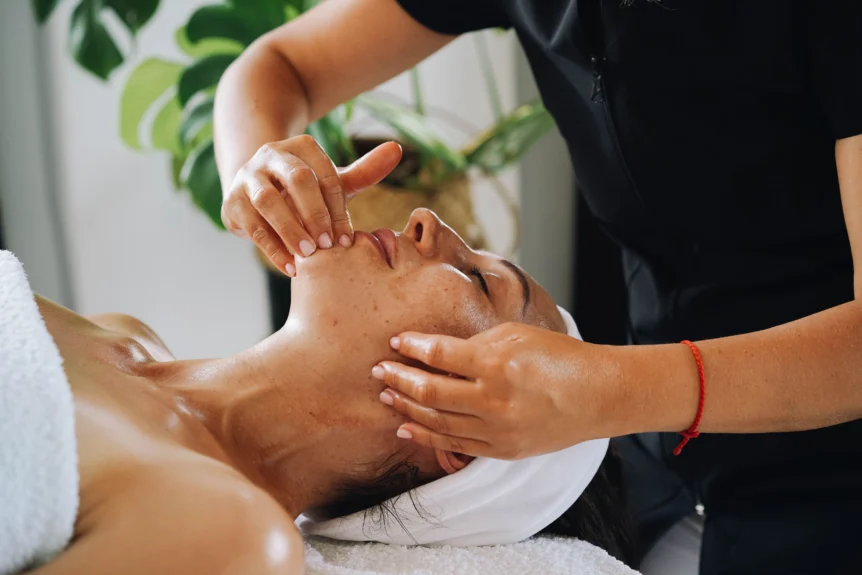
You type “rejuvenation near me” because something feels off, even if you can’t put it into words. Maybe your skin looks more tired than you feel. Maybe your energy isn’t where it used to be. Maybe you want support that helps you look refreshed, but you also want to feel sharper, steadier, and more like yourself.
That search usually brings up a confusing mix of med spas, dermatology clinics, aesthetic practices, and wellness programs. Some focus on skin texture. Some focus on injectables. Some talk about vitality, but don’t explain what that means in practical terms. That’s where people often get stuck. They’re not just shopping for a treatment. They’re trying to choose a philosophy of care.
Your Guide to Finding Modern Rejuvenation
Rejuvenation isn’t a fringe idea anymore. The global wellness economy reached $6.8 trillion in 2024, accounting for 6.12% of global GDP, and has doubled in size since 2013, according to the Global Wellness Institute’s wellness economy statistics. That matters because it shows how many people now think about aging more broadly. They want support for appearance, energy, resilience, and quality of life, not just a quick cosmetic adjustment.
A good buyer’s guide starts with one simple question: What are you trying to improve? If your answer is “I want brighter skin for an event,” your options will look different from those of someone saying, “I want to feel more vital over the next year.” Both are valid. They just lead to different kinds of providers and treatment plans.
Some patients do well with local, appearance-focused care such as peels or device-based skin treatments. Others are looking for a more layered plan that includes wellness support, recovery planning, and ongoing follow-up. If you’re sorting through those choices, it helps to understand the difference between a cosmetic service menu and a long-term rejuvenation program.
A practical way to begin is to separate your goals into three buckets:
- Visible concerns: fine lines, uneven texture, dullness, pigmentation, or laxity.
- Functional concerns: low energy, poor recovery, reduced concentration, or a general sense of decline.
- Maintenance goals: how much time, travel, and follow-up you’re realistically willing to commit to.
The right provider should help you match the treatment to the goal, not push one service as the answer to every concern.
If you want a broad overview of how different therapies can fit together, ICBR’s overview of four anti-aging therapies is a useful starting point. It helps frame rejuvenation as a spectrum rather than a single procedure.
What Does Rejuvenation Mean Today
Modern rejuvenation has two main branches. One branch focuses on how you look, especially your skin. The other focuses on how you feel and function, including vitality, recovery, and general wellness support. Many people need some combination of both.
The aesthetic and rejuvenation market is now firmly mainstream, and organizations such as the International Society of Aesthetic Plastic Surgery track procedure activity annually through its global statistics program. That tells you these treatments are not niche or experimental in the consumer marketplace. They are established parts of modern care.
Two common meanings of rejuvenation
When a local clinic says “rejuvenation,” they often mean visible improvement. That may include smoother texture, better tone, softer lines, or fresher-looking skin. These goals are real and useful, especially when someone wants to look rested rather than dramatically changed.
A wellness-focused clinic may use the same word differently. There, rejuvenation can include support for energy, immune function, recovery, and overall well-being. Such varied usage often leads to reader confusion. The same word gets used for very different treatment models.
If a clinic uses the word rejuvenation, ask what they are actually measuring: appearance, function, or both.
Common non-surgical options
Most non-surgical rejuvenation plans combine multiple modalities rather than relying on a single treatment. ICBR’s discussion of skin rejuvenation treatments reflects this broader anti-aging approach.
| Modality | Primary Goal | Typical Target Area |
| Facial peels | Improve texture and surface appearance | Face, neck, selected skin areas |
| PRP | Support tissue repair and rejuvenation | Face, scalp, selected soft tissue areas |
| IV infusion therapy | Support hydration and nutritional wellness | Whole-body wellness support |
| Microneedling | Encourage collagen remodeling through controlled micro-injuries | Face, neck, acne-scarred or textured skin |
| Laser or light therapies | Address pigmentation, texture, and fine lines | Face and other treatment areas |
Why one treatment rarely solves everything
Energy-based skin rejuvenation is usually built around microneedling, laser or light therapy, and chemical peels, with each targeting different layers or concerns. Microneedling creates controlled dermal micro-injuries that trigger wound-healing and collagen remodeling. Lasers, light treatments, and peels are used more selectively for pigmentation, texture, and fine lines.
That’s why the best answer to a “rejuvenation near me” search usually isn’t one universal treatment. A person with deeper wrinkles may need a different plan from someone with redness or post-sun texture changes. The more precisely you define your goal, the easier it becomes to choose wisely.
Systemic Wellness vs Surface-Level Aesthetics
A person can look better without feeling better. That is one of the central limits of surface-level rejuvenation.
A peel may brighten the skin. A laser session may improve texture. A well-designed skin program can absolutely make someone look more refreshed. But if the deeper concern is fatigue, reduced vitality, poor concentration, or a sense that the body isn’t recovering the way it used to, then a purely cosmetic plan may feel incomplete.
Where many articles fall short
Most public-facing material emphasizes the cosmetic outcomes of energy-based devices, while the systemic physiological benefits of cell-based therapies, such as support for energy and endocrine balance, remain underdocumented for consumers.
That gap matters because it shapes expectations. People start by searching for “rejuvenation near me.” Still, many are really asking a broader question: Do I want to improve my skin, or do I want a program that addresses overall vitality?
A simple way to think about the difference
Surface-level aesthetics tend to focus on:
- Skin appearance: tone, texture, pigment, fine lines
- Visible changes: what you can see in the mirror
- Local treatment areas: face, neck, chest, or hands
Systemic wellness programs tend to focus on:
- General vitality: how you feel day to day
- Whole-person support: energy, recovery, and broader wellness goals
- Longer planning horizons: maintenance, follow-up, and repeat care over time
Neither approach is wrong. The mistake is assuming they are interchangeable.
A cosmetic improvement can be part of rejuvenation. It isn’t always the whole story.
When Cell Therapy enters the conversation
For patients whose goals go beyond visible skin changes, Cell Therapy is often discussed as a different category of care. Rather than aiming only at the surface, it is presented as a cell-based anti-aging treatment designed to support the body more broadly. That’s why some people seek it out even when local med spa options are readily accessible.
One example is ICBR’s overview of Cell Therapy for anti-aging, which describes a program centered on systemic support rather than cosmetic touch-ups alone. For the right patient, that difference is the point. They are not looking only for tighter skin. They are looking for a more complete wellness strategy.
How to Vet and Choose the Right Provider
Finding providers isn’t the issue for many. They struggle with comparing them.
Search results make everyone look polished. Websites use similar language. Before-and-after galleries can be selective. The safest approach is to evaluate providers in layers, starting with universal standards and then adding travel-specific questions if you’re considering care outside your home area.
Start with the basics
A local skin clinic and an international regenerative clinic won’t look identical, but they should both pass the same basic tests.
- Verify who is treating you
Ask about licensure, clinical training, and the provider’s direct role in your treatment. A consultation should make this clear. If you can’t tell who is responsible for your care, step back. - Ask for a clear treatment rationale
A strong provider explains why a peel, PRP session, IV infusion, or Cell Therapy program fits your stated goals. You should hear a reasoned plan, not a sales script. - Review follow-up expectations
Good care doesn’t end when the appointment ends. Ask who handles post-treatment questions, what symptoms to monitor, and how follow-up is scheduled. - Look at hygiene and process
Clean facilities matter, but process matters too. Was your history reviewed carefully? Were your questions welcomed? Did the provider discuss limits as well as benefits?
Questions that reveal a lot
These questions often tell you more than marketing copy:
- What makes me a good or poor candidate?
- What results should I think of as cosmetic versus systemic?
- What part of the result is quick, and what part takes time?
- If I need maintenance, how often is that usually discussed?
- What happens if I’m traveling and need support after I return home?
If a provider cannot explain aftercare in plain language, they probably haven’t built their program around long-term patient success.
Special considerations for medical travel
For some patients, the right answer to a “rejuvenation near me” search is not near home. That’s especially true when they are seeking specialized Cell Therapy programs delivered in places such as Mexico or The Bahamas.
When you’re evaluating an international option, ask about more than the treatment itself.
- Travel timing: How many days should you allow before flying home or returning to a full schedule?
- Continuity of care: Who answers questions once you’re back home?
- Booster planning: If annual follow-up is part of the model, how far ahead should you schedule?
- Complementary care: If you’re considering PRP, IV infusions, chelation support, or peels, how are those coordinated around your main program?
- Medical records: What documentation will you receive for your own files and personal physician?
One option some patients explore is ICBR’s case studies and testimonials, which can help you understand the patient experience side of international anti-aging travel. Testimonials are not medical proof, but they can reveal how a clinic communicates, sets expectations, and supports people over time.
A final filter
The right provider should make you feel informed, not rushed. If the clinic speaks only in vague promises like “age reversal” or “instant vitality,” keep looking. Rejuvenation decisions are better when they’re made slowly, with enough detail to understand both the appeal and the responsibilities.
Your Rejuvenation Journey from Start to Finish
Understanding the sequence can bring a sense of calm. Rejuvenation is easier to evaluate when you know what happens before treatment, what treatment day is usually like, and what the follow-up period asks of you.
Before treatment
The process usually starts with a consultation and health review. At this stage, your goals matter most. Someone seeking brighter skin and someone seeking greater vitality may use the same word, rejuvenation, but they should not automatically end up with the same plan.
You should expect a discussion of your medical history, current concerns, travel needs, if relevant, and the likely role of maintenance. If a program includes PRP, peels, IV infusion therapy, or Cell Therapy, each component should be explained in plain language.
Treatment day
Treatment day varies by modality. A facial peel is different from an IV infusion, and both are different from an intramuscular Cell Therapy program. What matters most is that the environment feels organized, the steps are explained, and you know what immediate aftercare looks like before you leave.
Some patients expect dramatic immediate change. That’s usually not how sound rejuvenation works.
Some clinics report visible improvement within days to one week after advanced therapies, but those early changes are often superficial. This discussion of skin rejuvenation timelines notes that deeper processes, such as collagen remodeling, usually take longer to mature.
Recovery and early follow-up
After treatment, your short-term job is usually simple: follow instructions, protect healing tissue when relevant, stay in communication with the clinic, and avoid reading too much into the first few days.
A skin-focused treatment may involve temporary sensitivity, visible surface change, or staged improvement. A broader wellness-oriented program may involve a different pattern, where the most meaningful changes are noticed over time rather than overnight.
Here’s where patients often get tripped up:
- Immediate effects are not always the final results
- Maintenance is part of planning, not a surprise add-on
- Travel requires extra organization, especially for follow-up
Long-term maintenance
The strongest rejuvenation plans think beyond the first appointment. That may mean periodic peels for skin upkeep, repeat PRP depending on goals, or annual booster visits in programs built around ongoing support.
This is why experienced patients stop thinking in terms of one-time fixes. They think in terms of rhythm. What can I maintain? What am I willing to repeat? What fits my life without creating stress? Those questions usually lead to better choices than chasing the fastest visible change.
Frequently Asked Questions About Rejuvenation
Is the best rejuvenation provider always local?
Not always. If your goal is a peel, a skin-brightening plan, or another common cosmetic service, a local provider may be the simplest choice. If your goal involves a specialized program such as Cell Therapy with annual boosters, you may need to consider clinics in other countries that routinely offer that model of care.
How do I know whether I want cosmetic care or systemic support
Start with the result you care about most. If you mainly want smoother, brighter, more even-looking skin, cosmetic care may be a good fit. If you’re more focused on vitality, recovery, concentration, or a broader sense of wellness, you may want to discuss programs designed around whole-body support.
Are quick improvements a sign that treatment worked
Sometimes, but don’t overread early changes. Surface improvements can show up before bigger biological changes do. Good providers will tell you what to expect early, what takes longer, and what kind of maintenance may be part of the process.
What should I ask if I’m traveling for treatment?
Ask about timing, aftercare, records, follow-up contact, and whether booster visits are commonly recommended. Also, ask how complementary services are coordinated if you’re considering PRP, IV support, or skin peels during the same trip.
Where can I learn more about common patient questions around Cell Therapy
A helpful place to start is ICBR’s Cell Therapy FAQ page, which addresses practical concerns patients often raise before deciding whether to schedule a consultation.
Is this article medical advice
No. This is general educational information. You should talk with your own physician and the treating clinic before making any decision about rejuvenation care, especially if you’re considering travel or a program that involves ongoing maintenance.
If you’re weighing local cosmetic options against a more extensive wellness program, International Clinic of Biological Regeneration offers educational information about Cell Therapy, PRP, IV infusion therapy, and facial peels delivered at clinics in Mexico and The Bahamas. A consultation can help you decide whether your goals are best served by surface-level aesthetic care, systemic support, or a combination of both.