
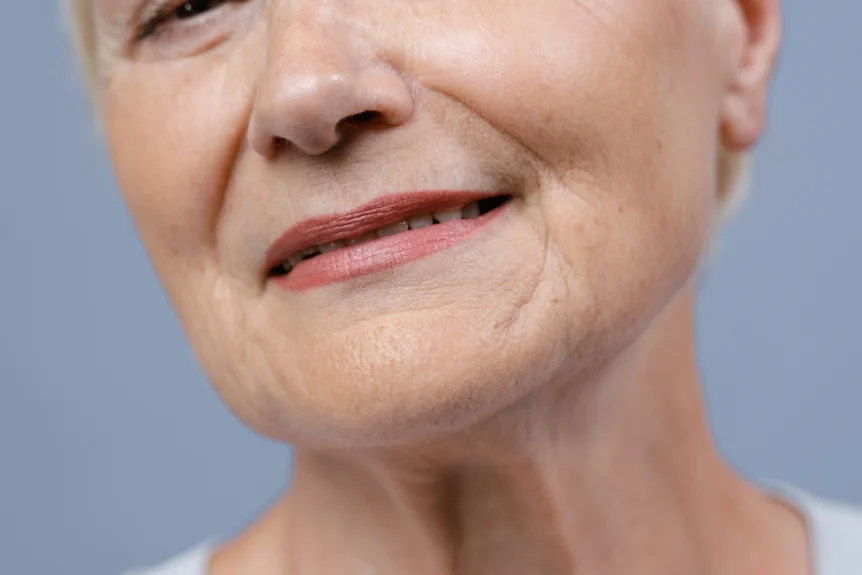
You notice it in ordinary moments. A friend steps outside for a quick vape. A younger coworker keeps a sleek device on the desk. Maybe you vape yourself and have started wondering whether the dry look in your skin, the faint lines around your mouth, or a loss of bounce could be connected.
That question deserves a calm answer, not a scare tactic.
Vaping can plausibly contribute to wrinkles, but it isn’t a simple yes-or-no issue. Vaping is still relatively new compared with traditional smoking, so long-term skin-aging evidence is still developing. What we do know is that several well-established skin mechanisms linked to vaping, especially nicotine-related blood vessel constriction, inflammation, dehydration, and slower repair, can push skin in the direction of premature aging.
For some people, the visible effect may be subtle for a long time. For others, especially with frequent use or higher nicotine exposure, the skin may start to look duller, drier, or more lined earlier than expected. Usage pattern matters. Skin type matters. Sun exposure, sleep, stress, and overall skincare matter too.
Vaping and Your Skin: Answering the Wrinkle Question
If you’re asking whether vaping causes wrinkles, the most accurate answer is: it may create conditions that make wrinkles more likely.
That distinction matters. Skin doesn’t wrinkle from one single event. Wrinkles form when collagen support weakens, elasticity declines, repeated facial movement etches lines into the skin, and repair processes can’t keep up with daily damage. Vaping appears relevant because it intersects with several of those pathways.
Why the answer isn’t all or nothing
A key reason dermatology sources connect vaping with wrinkling is nicotine’s effect on circulation. Nicotine is a vasoconstrictor, which means it narrows blood vessels and reduces blood flow, oxygen, and nutrient delivery to skin cells. Dermatology sources also note that this can reduce collagen production. At the same time, chemicals in e-cigarettes may decrease collagen and elastin production, both of which are central to firm, resilient skin, as explained in this skin health overview on vaping and collagen loss.
That doesn’t mean every person who vapes will suddenly develop deep wrinkles. It means the skin may be working with fewer resources.
Skin ages fastest when daily wear and tear outpaces repair.
Vaping became widespread in the modern e-cigarette era, so researchers are still building the long-term picture. But clinicians don’t need to wait decades to recognize a biologically plausible risk when the underlying pathways already make sense. Reduced circulation, tissue irritation, dehydration, and impaired healing are all factors that can show up on the face over time.
Where readers often get confused
Many people assume that the risk of wrinkles should be discussed in a single broad category called “vaping.” In reality, that’s too blunt.
A person who occasionally uses a low-nicotine product is not in the same position as someone who uses a high-nicotine device throughout the day. A former smoker who now vapes may also have a different skin baseline than a lifelong non-smoker who recently started vaping. That nuance often gets lost in online advice.
A better question is not just “Does vaping cause wrinkles?” It’s what kind of vaping pattern is most likely to affect skin aging, and how much can you do about it?
How Vaping Can Accelerate Wrinkle Formation
A clearer way to answer the wrinkle question is to look at what skin needs every day, then ask where vaping interferes. Skin stays smooth when blood flow delivers oxygen and nutrients, the barrier holds water, structural proteins keep tissue springy, and repair happens fast enough to keep up with daily stress. Vaping can disrupt each part of that process.
Impaired blood flow
Nicotine narrows blood vessels. In practical terms, that means skin may receive less of the steady supply it relies on to stay bright, resilient, and quick to recover.
This helps explain why the risk of wrinkling is not identical for every person who vapes. Someone using a high-nicotine device many times a day is creating more repeated vessel narrowing than someone who uses a low-nicotine product occasionally. The effect is closer to repeated small interruptions in skin support than to a single dramatic event, and repeated interruptions matter over time.
Collagen and elastin disruption
Collagen gives skin firmness. Elastin helps it bounce back after movement.
If vaping exposures reduce how well skin maintains those proteins, lines become easier to form and harder to smooth back out. A sofa with worn-out springs develops creases more quickly under the same pressure. Skin behaves similarly when its support network is weaker.
This is also why the same facial expression does not affect everyone equally. Two people can similarly purse their lips, but the one with drier, less elastic skin may start to show the line sooner.
Inflammation and slower repair
Skin is constantly repairing small injuries caused by sunlight, pollution, friction, and normal facial movement. That repair cycle is one of the main reasons younger skin tends to rebound well.
Research on e-cigarette exposure has linked vaping with irritation in skin cells, inflammatory signaling, and slower wound healing, as described in this review of vaping’s effects on wound healing and surgical outcomes. For patients, the practical meaning is straightforward. If repair slows while daily wear continues, the face can begin to hold on to signs of stress instead of clearing them efficiently.
Wrinkles often become visible when repair can no longer keep pace with repetition and exposure.
Dryness and surface lines
Surface dehydration deserves more attention than it gets. Dry skin does not necessarily indicate permanent aging, but it can make fine lines more pronounced, especially around the eyes and mouth.
Vaping pattern matters here, too. Frequent puffing exposes the lips and surrounding skin to repeated airflow and repeated oral movement throughout the day. For some people, that creates a cycle of dryness, lip licking, barrier disruption, and more visible texture.
The mouth area is especially vulnerable
The area around the mouth is often the first place people notice a change because it combines motion with thinner, more expressive skin. Repeated lip pursing during vaping can add mechanical stress in the same way repetitive sipping habits can, which overlaps with concerns discussed in ICBR’s article on whether straws cause wrinkles.
That does not mean every person who vapes will develop etched smoker’s lines. It means the risk rises when several factors stack together. Higher nicotine use, frequent sessions, dehydration, existing sun damage, and reduced collagen support create a much more wrinkle-prone setting than occasional low-level use.
Is Vaping Better Than Smoking for Your Skin
Many patients ask this in practical terms. They aren’t asking whether vaping is ideal. They’re asking whether it’s less damaging than cigarettes from an appearance standpoint.
For skin, that’s not a very comforting comparison.
Where they differ
Traditional smoking exposes the skin to combustion-related chemicals that vaping doesn’t. So the exposures are not identical. But “different” doesn’t mean “harmless.”
| Habit | Likely skin concern |
| Traditional smoking | More classic smoker-associated dullness and heavier chemical exposure |
| Vaping with nicotine | Ongoing vessel constriction, reduced skin support, dehydration, and irritation |
| Dual use | Overlapping stressors from both habits |
| Neither | Fewer habit-related barriers to healthy skin repair |
The key point is that both habits can interfere with the skin’s ability to stay supple and recover well.
A false choice for skin health
If your goal is younger-looking skin, asking whether vaping is “better” than smoking may lead you in the wrong direction. A better question is whether either habit supports collagen, circulation, and repair. The answer is no.
People concerned about lip lines often notice changes around the mouth before they notice broader facial aging. If that’s familiar, ICBR also has a useful article on addressing smokers’ mouth wrinkles. The details differ between smoking and vaping, but the cosmetic concern is often similar.
Factors That Worsen Vaping’s Effect on Skin
Not every vaping habit carries the same risk of wrinkles. Here, nuance matters most.
Nicotine level and frequency
A major underserved angle in this conversation is usage pattern. Public discussion often lumps all vapers together, but that oversimplifies what’s happening.
Suppose someone takes occasional puffs; that creates a different exposure pattern than if they use a vape throughout the day. More frequent use means the skin gets fewer breaks from repeated circulatory and inflammatory stress.
The facial movement factor
Wrinkles are partly about biology and partly about mechanics.
Repeated pursing of the lips can reinforce lines around the mouth, especially in skin that is already dehydrated or losing elasticity. This doesn’t mean vaping alone creates a “vaper’s pout” in every user, but repeated movement can become more visible over time.
The most visible wrinkle effect may result from a combination of mouth movement, dryness, and irritation, rather than a single process.
The skin background changes the picture
The same habit can look very different on different faces. A person with significant sun damage, poor sleep, or a disrupted skin barrier may show signs of aging sooner. Someone with a consistent routine, better hydration, and healthier recovery habits may notice less visible change, at least for a while.
These compounding factors often include:
- Sleep quality: Poor rest can leave skin looking less recovered and less vibrant.
- Sun exposure: UV exposure remains one of the biggest outside pressures on collagen.
- Baseline dryness: Skin that already struggles to retain moisture will usually show fine lines more quickly.
- Stress and recovery: Chronic stress can make the skin look more reactive and less resilient.
Daily habits matter. ICBR’s article on diet, beauty, sleep, and circadian rhythm is a good reminder that a single behavior rarely causes skin aging.
Non-smokers versus former smokers
This is another area where readers deserve a more careful answer. A lifelong non-smoker who starts vaping may be exposing previously unchallenged skin to new stressors. A former smoker who switches to vaping may still carry earlier skin changes from past tobacco exposure.
That’s why broad online claims often feel unsatisfying. The visible result depends on what came before, what’s happening now, and how well the skin can still repair itself.
Protecting and Restoring Your Skin
Skin can recover more than many people expect. Fine lines do not vanish overnight, but the skin often looks calmer, smoother, and better hydrated once you remove some of the pressure that prevents repair.
A helpful way to understand this is to picture your skin as a wall that is always being maintained. Moisture keeps the surface sealed. Blood flow delivers supplies. Repair signals tell workers where to patch damage. Vaping can interfere with every part of that process, so protecting your skin means restoring the conditions that enable consistent maintenance.
Start with the basics that give the skin a fair chance to repair
Earlier research in this article noted that e-cigarette exposure has been linked with more inflammation and slower healing in skin tissue. That matters because wrinkle prevention is not only about collagen. It is also about how well the skin recovers from everyday stressors, from sun exposure and irritation to normal facial movement.
The next step depends on your pattern of use. Someone using high-nicotine products many times a day usually places more strain on circulation and skin recovery than someone who vapes less often. That does not make light use harmless. It does explain why wrinkle risk is not identical for every user.
If you want the highest return on effort, start here:
- Reduce or stop vaping: Less exposure gives the skin more opportunity to restore normal hydration and repair cycles.
- Use sunscreen daily: UV exposure and impaired skin recovery don’t mix well, especially if you are already seeing fine lines.
- Support the barrier: Use a gentle cleanser, a moisturizer with humectants and barrier-supporting ingredients, and avoid products that leave the skin tight or stinging.
- Use antioxidants with restraint: Vitamin C and similar products can help with brightness and environmental stress, but irritated skin usually responds better to a simple routine first.
- Protect sleep and hydration: Skin repair is an overnight job. Poor sleep and dehydration slow recovery and make lines more noticeable.
A simple routine done every day usually helps more than an aggressive routine used inconsistently.
Professional options for visible changes
Home care improves the skin’s environment. In-office treatments can improve texture and support renewal when surface dryness, dullness, or early lines are already visible.
Reasonable options may include:
- Facial peels: These can improve surface texture and help skin look fresher when dullness is part of the picture.
- PRP treatments: Platelet-Rich Plasma is often used to support repair and collagen activity. For a clear overview, see ICBR’s guide to Platelet-Rich Plasma for skin.
- Supportive wellness care: Nutrition, stress control, sleep quality, and hydration influence how well the skin responds to any treatment plan.
One clinic-based option some adults consider is the International Clinic of Biological Regeneration, which offers non-surgical anti-aging services, including Cell Therapy, PRP, IV Infusion Therapy, and facial peels, at clinics in Mexico and The Bahamas. These services are presented as supportive wellness and rejuvenation options, not a substitute for your physician’s care, and individual results vary.
Better skin usually comes from steady support in several areas, not one dramatic fix.
Keep expectations realistic
Improvement usually happens in layers. Dryness and rough texture often respond first. Tone and radiance may improve next. Lines already etched into the skin usually take longer to address and may require both habit changes and professional treatment.
That slower pace is frustrating, but it is normal. Skin behaves less like a light switch and more like a garden. Once the stress is reduced and the basics are consistent, healthier growth has a chance to show.
A Proactive Approach to Youthful Skin
So, does vaping cause wrinkles? The most responsible answer is that vaping can contribute to wrinkle formation by disrupting the conditions that healthy skin needs to stay firm, hydrated, and resilient.
For some people, that shows up mainly as dryness and a tired-looking complexion. For others, the first visible change is around the mouth, where repeated movement can make lines more pronounced. The risk isn’t uniform, and that’s one of the most important takeaways. Nicotine strength, frequency of use, previous smoking history, sun exposure, and skincare habits all shape the outcome.
That should feel clarifying, not discouraging.
Once you understand the mechanism, you can make better decisions. Cutting back or quitting vaping can help remove one obstacle. Protecting the skin barrier, staying consistent with sunscreen use, and choosing treatments that support texture and renewal can help move your skin in a healthier direction.
If you’re already seeing changes, it doesn’t mean the situation is hopeless. Skin often responds well when daily stressors are reduced, and repair is supported with patience and consistency. A thoughtful routine, better recovery habits, and well-chosen professional care can all help.
For readers who want practical next steps, ICBR also offers simple guidance for slowing the signs of aging skin. And if you’re considering any treatment, talk with your own doctor and qualified clinicians first. Educational content can help you ask better questions, but your care should still be personalized.
If you’re concerned that vaping may be affecting your skin, International Clinic of Biological Regeneration offers educational resources and non-surgical rejuvenation options designed to support healthy aging, skin quality, and overall wellness. Adults interested in PRP, facial peels, IV Infusion Therapy, or Cell Therapy can learn more about available programs and, with their own physician and ICBR clinicians, decide whether a personalized plan makes sense for their goals.