
Knee pain has a way of creeping into your life and refusing to leave. At first, it might just show up after a long walk or an intense workout. Then, suddenly, you notice it when climbing stairs, standing up from a chair, or even while resting. For many people, that pain is caused by arthritis, old sports injuries, or years of wear and tear. And when the pain gets worse, surgery often feels like the only option on the table.
But what if there was another path? One that uses your body’s own healing power to reduce pain and restore function? You may have already heard about PRP injections being used by athletes, celebrities, and people who want to avoid invasive procedures. The question is, can PRP therapy for knees really help you delay or even skip surgery altogether?
In this blog, you will learn how PRP knee injections work, what makes them different from cortisone shots or pain medication, and what you can realistically expect from the process. We will also talk about who makes a good candidate and how long the results last
What Are PRP Injections and How Do They Work?
PRP stands for platelet-rich plasma. It is a therapy that uses a sample of your own blood to create a concentrated solution of platelets. Platelets are the cells in your blood that help with clotting and tissue repair. But they also contain powerful growth factors that signal your body to start the healing process.
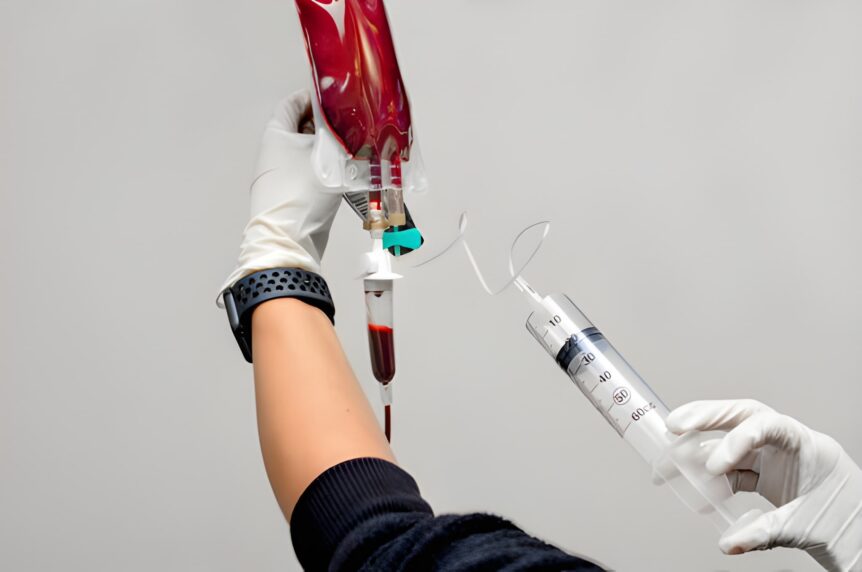
Your provider takes a small amount of your blood and spins it in a centrifuge machine. This separates the platelets from the red and white blood cells. The platelet-rich portion is then injected directly into your knee joint.
Once inside your knee, those concentrated platelets release growth factors that reduce inflammation, encourage new tissue growth, and stimulate the healing of damaged cartilage and ligaments. Instead of simply masking the pain, PRP therapy for knees aims to support actual repair at the cellular level.
The science behind it is still evolving, but several studies show promising results, especially for conditions like osteoarthritis and chronic knee pain. Patients often report less pain, better function, and improved mobility after a series of treatments.
Why PRP Knee Injections Are Gaining Popularity in Orthopedics
Orthopedic specialists are turning to PRP injections for a good reason. Many traditional treatments for knee pain, like cortisone shots or pain medications, only provide temporary relief. They do not encourage healing. PRP, on the other hand, is designed to actually restore tissue health over time.
Athletes were among the first to popularize PRP. High-profile cases, from professional football players to Olympic athletes, put the therapy in the spotlight. But it is not just for elite athletes anymore. Everyday people who want to stay active, avoid surgery, and reduce reliance on long-term medications are now choosing PRP therapy for knee pain.
Another reason for its rise in popularity is its safety profile. Since the treatment uses your own blood, the risk of rejection or allergic reaction is very low. That makes PRP one of the safest regenerative medicine options available today.
How PRP for Knee Pain Compares to Traditional Treatments
-
PRP Therapy for Knees vs. Cortisone Shots
Cortisone shots have been a go-to treatment for knee pain for decades. They work by reducing inflammation quickly, which can bring fast relief. However, cortisone does not fix the root of the problem. In fact, repeated cortisone shots may weaken cartilage and worsen joint damage over time.
PRP knee injections take a different approach. Relief may take longer to notice compared to cortisone, but the benefits often last longer. Instead of simply shutting down inflammation, PRP encourages natural healing and tissue repair. For many patients, this makes PRP a more sustainable long-term option.
-
PRP Injections vs. Physical Therapy and Pain Medications
Physical therapy and medications like anti-inflammatories can help manage pain and improve function. They are important parts of conservative care. However, they can only do so much if the underlying tissue is not healing.
PRP therapy can complement physical therapy by accelerating the body’s repair processes. Many providers recommend combining both for the best results. Medications may still be useful for temporary relief, but PRP targets the root issue.
-
Can PRP Delay or Prevent Knee Surgery?
Surgery, like total knee replacement, is sometimes necessary when joint damage is severe. But it is also invasive, costly, and requires significant recovery time.
Recent studies suggest that PRP therapy for knees may delay the need for surgery in patients with moderate arthritis or chronic pain. For some, it can even prevent surgery altogether by reducing pain and improving mobility enough to restore quality of life. That does not mean PRP replaces surgery in every case, but it does offer a valuable middle ground before making that big step.
What to Expect During and After PRP Knee Injections
The PRP Injection Process Step by Step
- Blood draw: Your provider will take a small sample of your blood, usually from your arm.
- Centrifuge preparation: The blood is spun at high speed in a machine to isolate platelet-rich plasma.
- Injection: The PRP solution is carefully injected into your knee joint, often with ultrasound guidance to ensure precision.
- Post-injection rest: You may rest briefly in the office before heading home.
The entire process usually takes less than an hour, and most patients can go home the same day.
Recovery Timeline and Aftercare for PRP Therapy
Recovery from PRP injections is generally straightforward. You might feel soreness or stiffness in the knee for a few days. Ice packs and over-the-counter pain relievers (excluding anti-inflammatories, which can interfere with healing) are usually recommended.
Doctors typically advise avoiding strenuous activities for a week or two. Light walking is usually fine, but heavy exercise or sports should wait until you get the green light. Most patients notice improvement within 4 to 6 weeks, with peak results often seen around 3 months.
Are You a Good Candidate for PRP Therapy for Knee Pain?
Not everyone with knee pain is the right fit for PRP. The best candidates are usually people with mild to moderate osteoarthritis, meniscus injuries, ligament issues, or chronic knee pain that has not improved with other conservative treatments.
If your arthritis is advanced or if the joint damage is too severe, PRP may not be enough to replace surgery. Your doctor will evaluate imaging tests, your medical history, and your goals before recommending the treatment.
Good candidates typically share these traits:
- Active lifestyle but limited by knee pain
- Desire to avoid or delay surgery
- Willingness to commit to aftercare and activity modifications
- No severe bleeding disorders or uncontrolled medical conditions
At ICBR, we bring years of hands-on experience, a commitment to evidence-based care, and a passion for helping patients avoid unnecessary surgery. If knee pain has been holding you back, it may be time to explore whether PRP therapy could be your answer.
Call us today at (314) 921-3997 to schedule your consultation and find out if PRP is right for you.